Between the first meeting and the day you get the keys, a well-run detached house in Spain takes 14 to 22 months. The build itself accounts for less than half of that. The rest is paperwork.
That is the part almost nobody mentions and the one that wears people down: you can have the design finished and the finance approved and still not be allowed to lay a single brick because one sectoral report is missing.
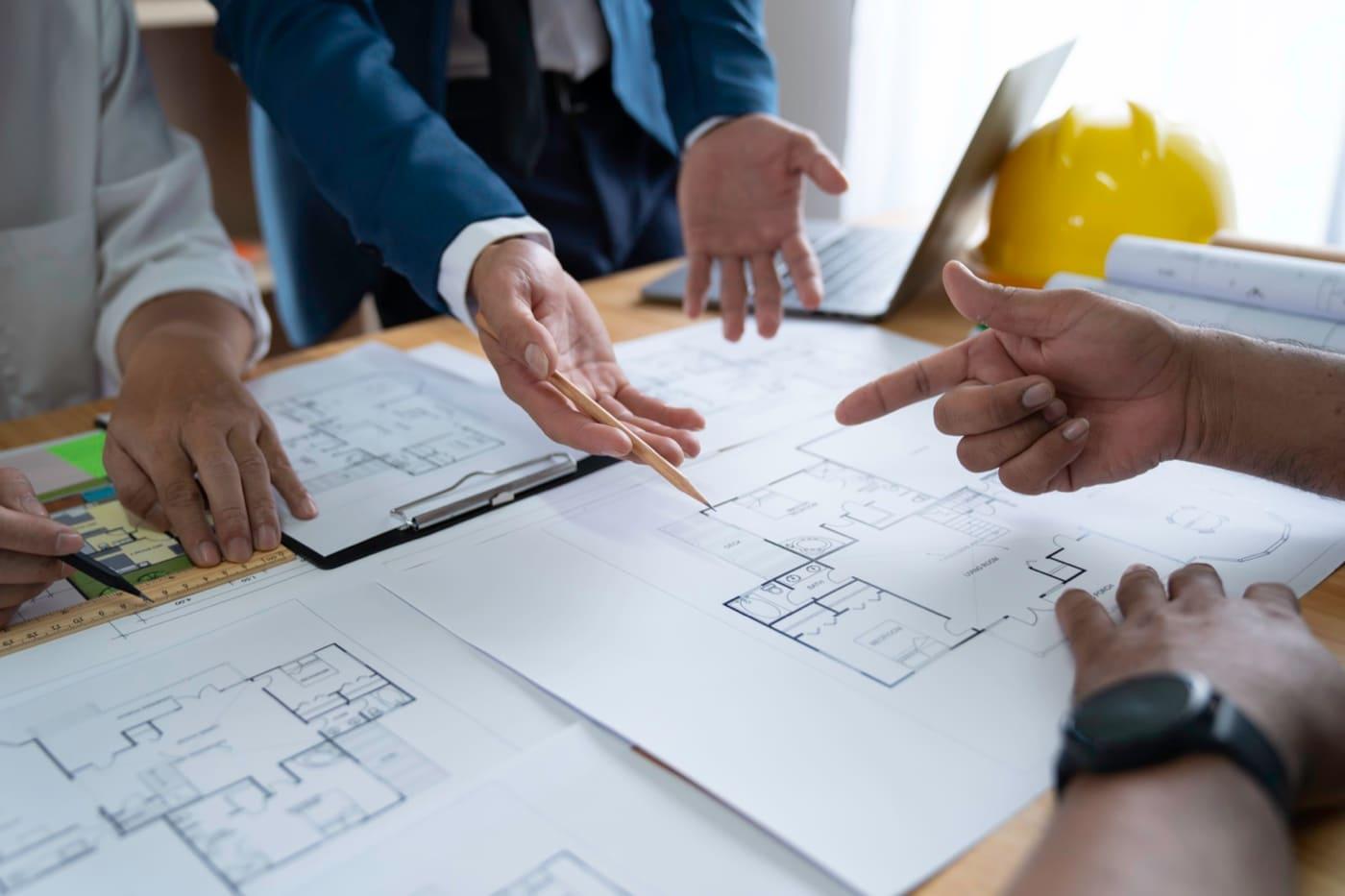
The full calendar, stage by stage
1. Feasibility study · 2 to 4 weeks
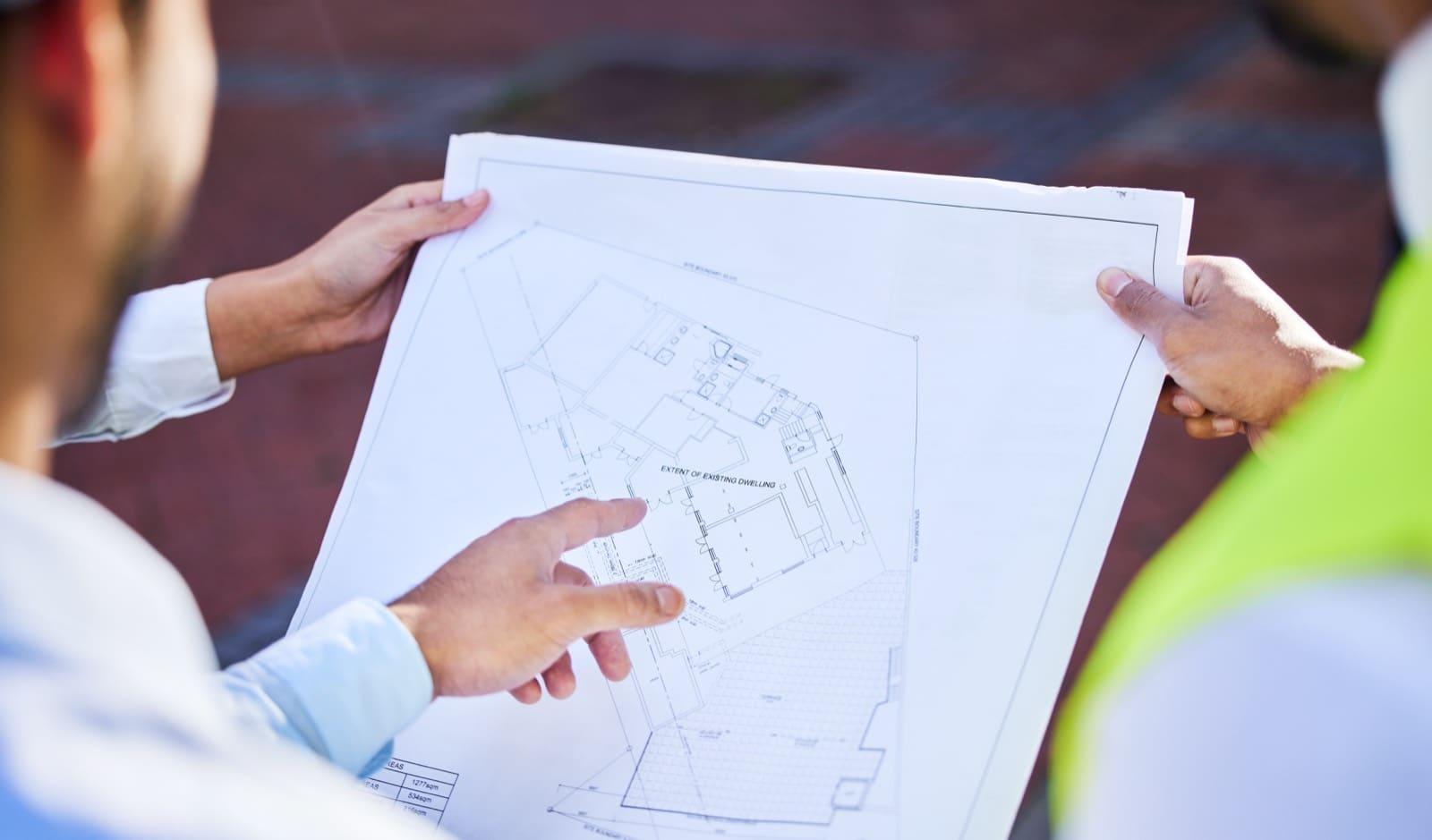
Checking what the planning rules allow on that specific plot: buildable area, footprint, setbacks, height, permitted uses. This is where the expensive surprises appear — an easement, a highway restriction, a plot that is not legally serviced land — and it is far better that they appear now.
2. Outline design · 4 to 8 weeks
The house is defined in layout, volume and appearance. It is the document most councils accept for the permit application.
3. Building permit · 2 to 8 months
The most variable stretch of all, and the one that decides whether the build starts in spring or in winter. More detail below.
4. Construction design and procurement · 4 to 6 weeks
Can overlap with the permit process. It covers structure, services, final specification and a closed budget.
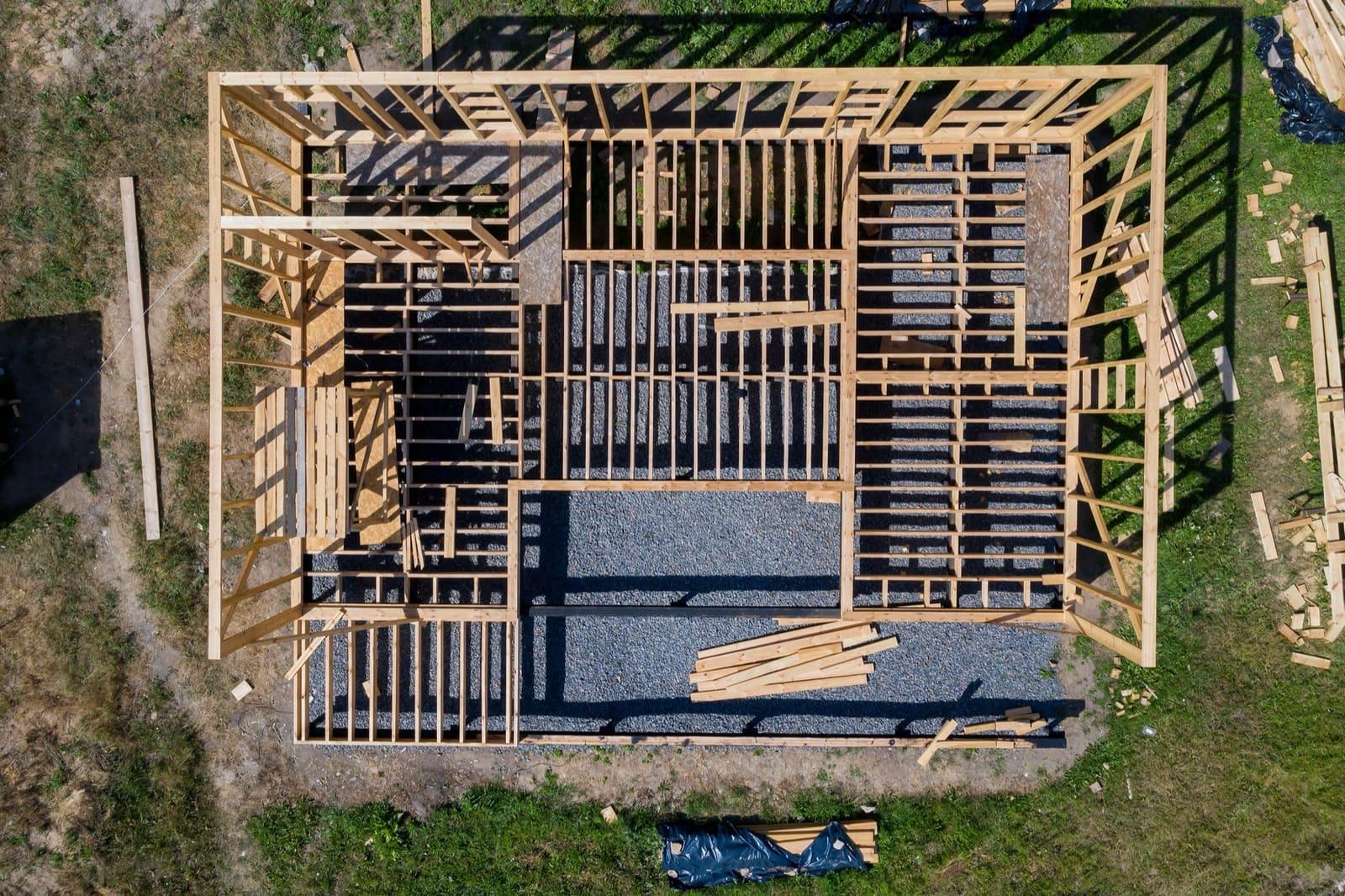
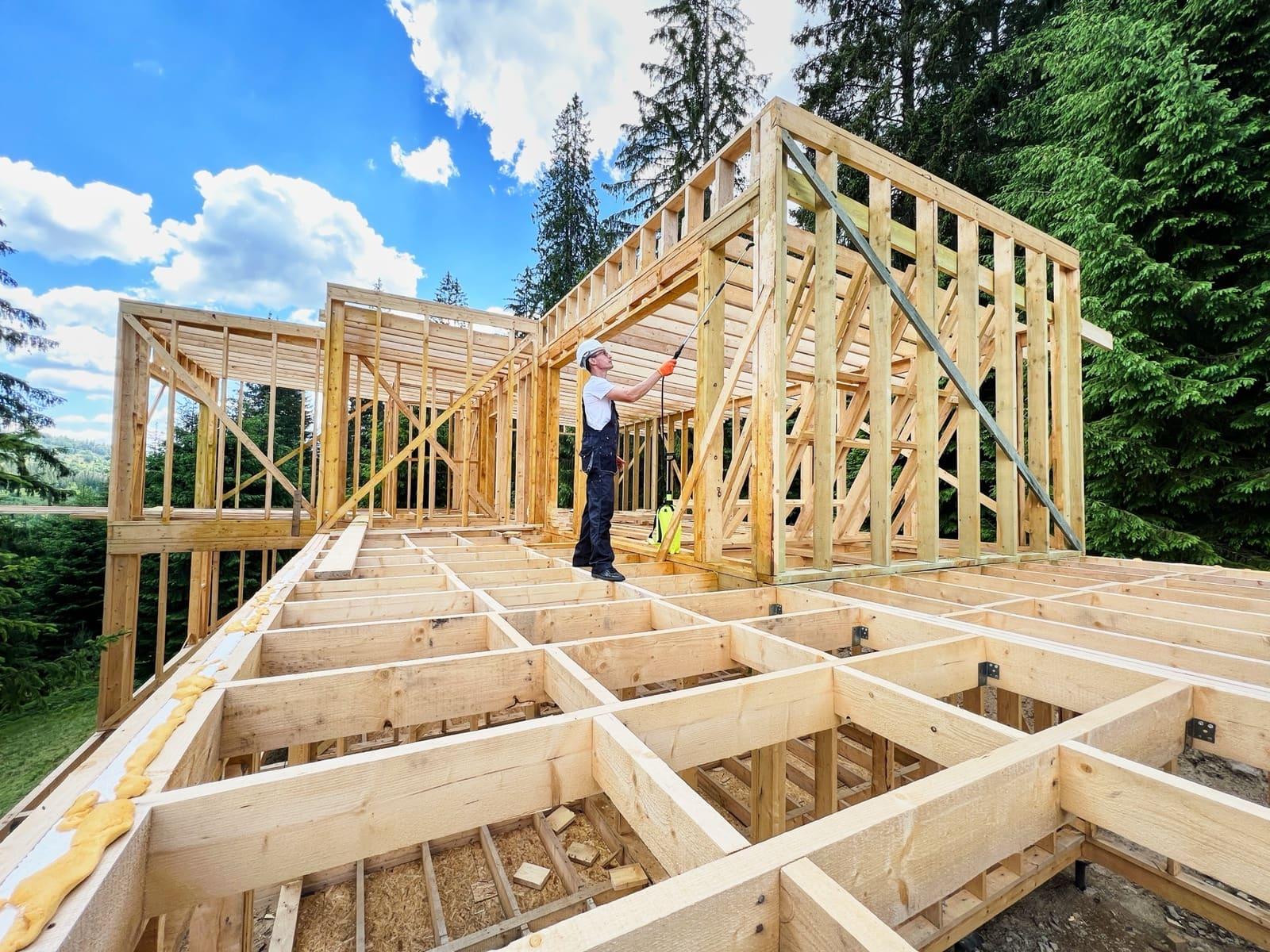
5. Construction · 5 to 10 months
For a house of around 180 m². With a timber structure and dry construction, the low end of that range is genuinely achievable; with traditional wet construction, the high end is the norm.
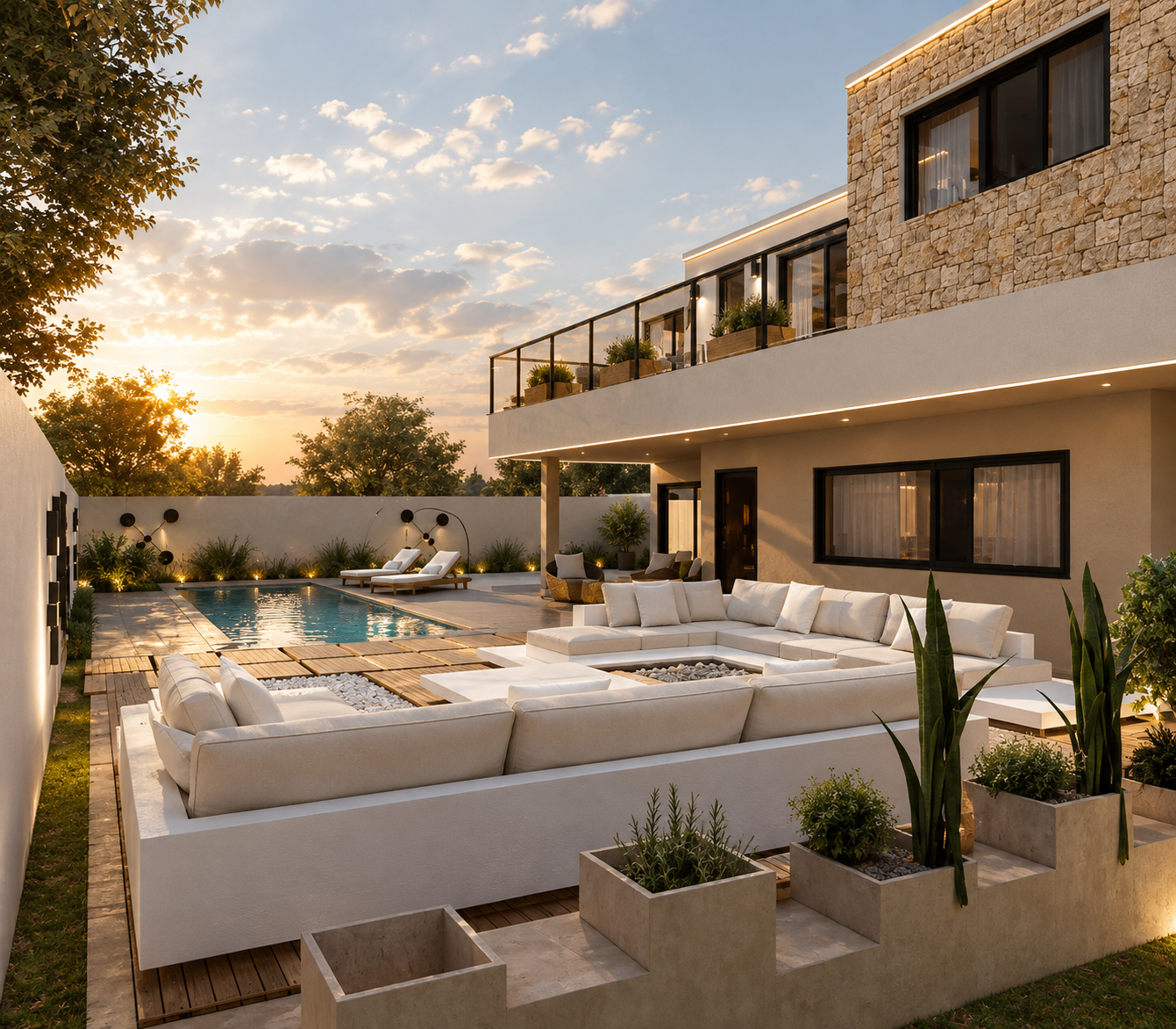
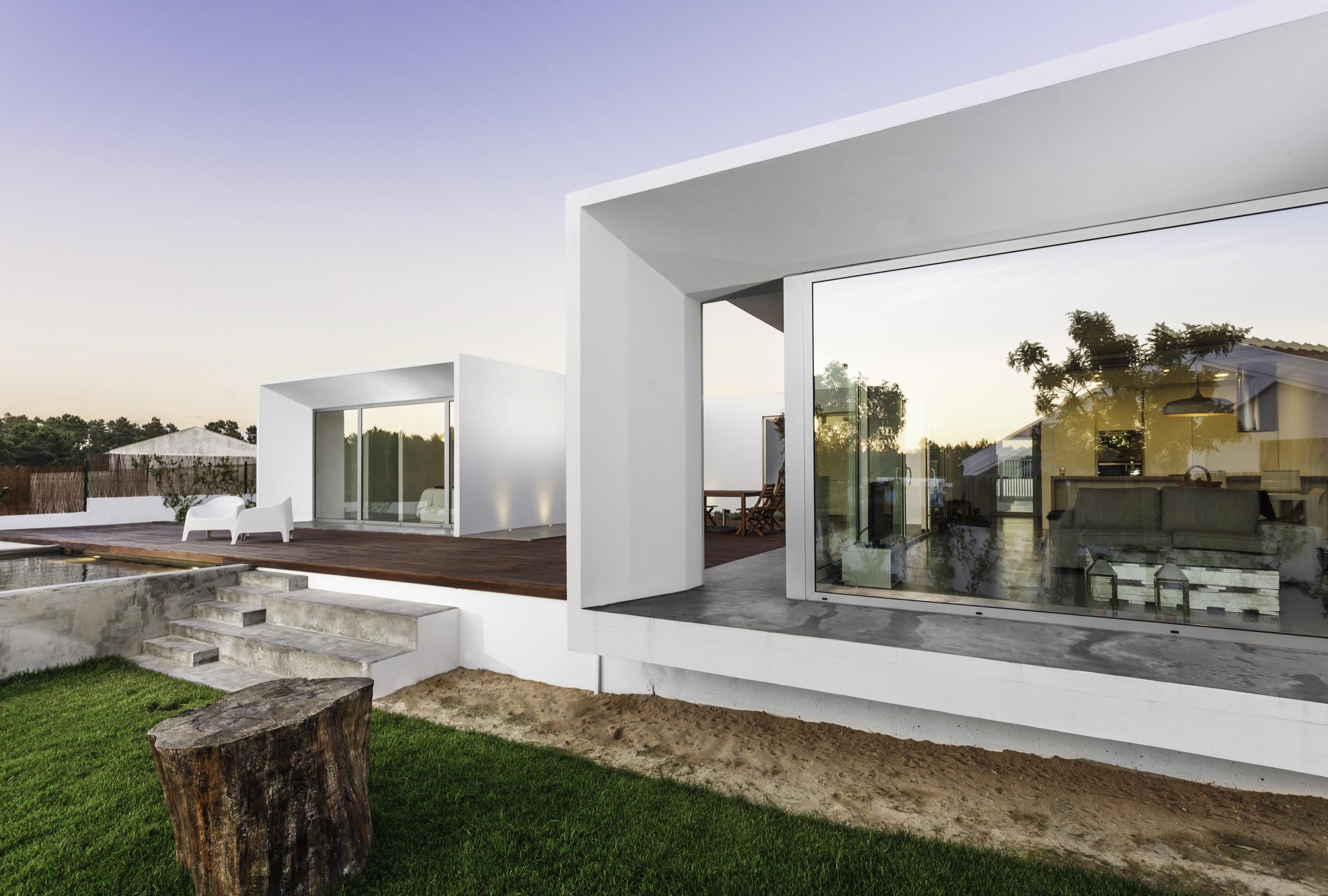
6. Completion, occupancy licence and utilities · 4 to 10 weeks
Completion certificate signed by the supervising team, new-build declaration, first-occupancy licence and utility contracts. Until that point the house cannot legally be lived in.
The permit: what you actually need to know
How long it takes
The maximum resolution period is set by each municipal ordinance and usually runs one to three months for major works. The real time, from submission to approval, is rarely that: between requests for corrections, sectoral reports (highways, heritage, water authority, civil aviation) and the council's own queue, three to six months is normal, and small municipalities with few technical staff can take longer.
Administrative silence will not save you
This is the most expensive misunderstanding in the field. Even though general administrative law sets positive silence as the rule, it does not apply in planning: Spanish land law states expressly that no powers or rights contrary to territorial or urban planning may ever be acquired through administrative silence. In other words: no reply means no permit. Building "under silence" is building without a permit.
Responsible declaration: not for this
Many autonomous regions have replaced the licence with a responsible declaration for minor works, change of use or business activity. New residential construction still requires a permit across virtually the whole country. If someone offers to start without one, the problem is not theirs: liability for unlawful works falls on the owner.
What speeds it up
- Submitting a complete file first time: a request for corrections adds six to ten weeks.
- Clearing foreseeable sectoral reports during the feasibility study.
- Having the design stamped by the professional association, or reviewed by it where stamping is not compulsory.
- Asking at the council before filing. Half an hour at the technical office saves a month.
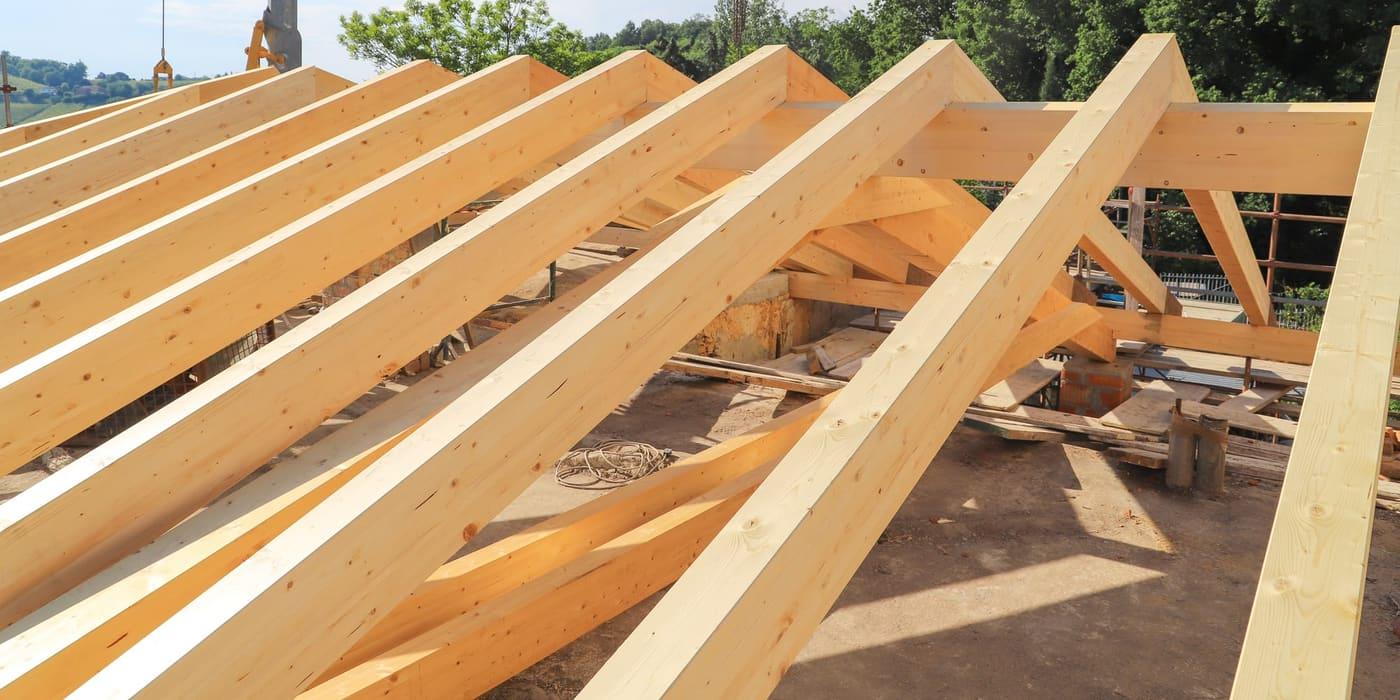
Why dry construction shortens the build
Not magic, not marketing — three physical reasons:
No drying times. A concrete structure needs weeks of setting and curing before work continues. Timber arrives at its equilibrium moisture content and goes straight up.
Preparation and site advance at once. While the foundations are being poured, the timber is being cut and numbered. Those weeks do not add up, they overlap.
Fewer crossed trades and fewer surprises. Components arrive cut to size and numbered. No on-site adjustments, no chasing walls for services, no three-day stoppage because it rained at the wrong moment.
The reduction measured across the sector is 30 % to 50 % of construction time compared with traditional wet building. What it does not shorten — worth saying — is the permit: there we are all in the same queue.
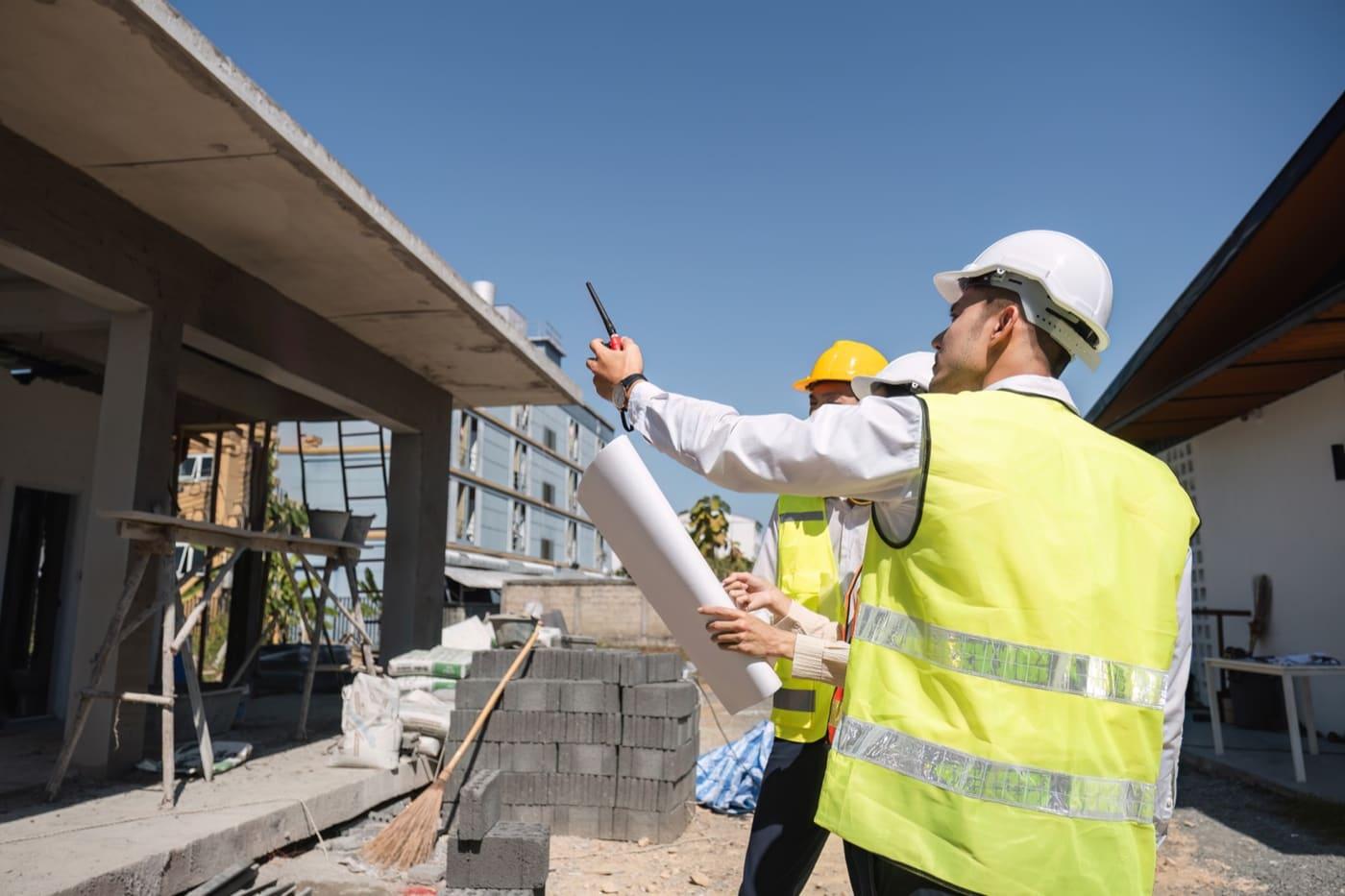
What actually delays a build
In order of frequency: client changes of mind mid-build, an incomplete design that forces decisions on the fly, long-lead items ordered late (windows, heat pumps, special tiling), and budgets closed in bad faith that end in variations. None of the four is a technical problem: all four are planning problems.
Frequently asked questions
Can work start without a permit?
No. There is no lawful start on site without a granted permit, and administrative silence does not replace it in planning. The consequences — stop notice, fine and in extreme cases demolition — fall on the owner.
How long is the build alone for a timber house?
Five to eight months for a house of around 180 m², from setting out to handover, provided the design is closed and the decisions are made before starting.
Can I process the permit while the construction design is being done?
Yes, and it is the sensible route. The permit is applied for with the outline design; the construction design runs in parallel and is submitted before work starts.
What happens if the permit expires?
Permits carry a start and a completion deadline, typically six months and three years. They can be extended, but it must be requested before they lapse: an expired permit means starting the whole process again.
How we handle it
In the first meeting we put real dates on a calendar, not "a few months". The seven-stage roadmap is published in how we work, with what happens at each stage and who answers for what. If you have a plot, write to us or book a meeting and we will give you the calendar for your specific case.